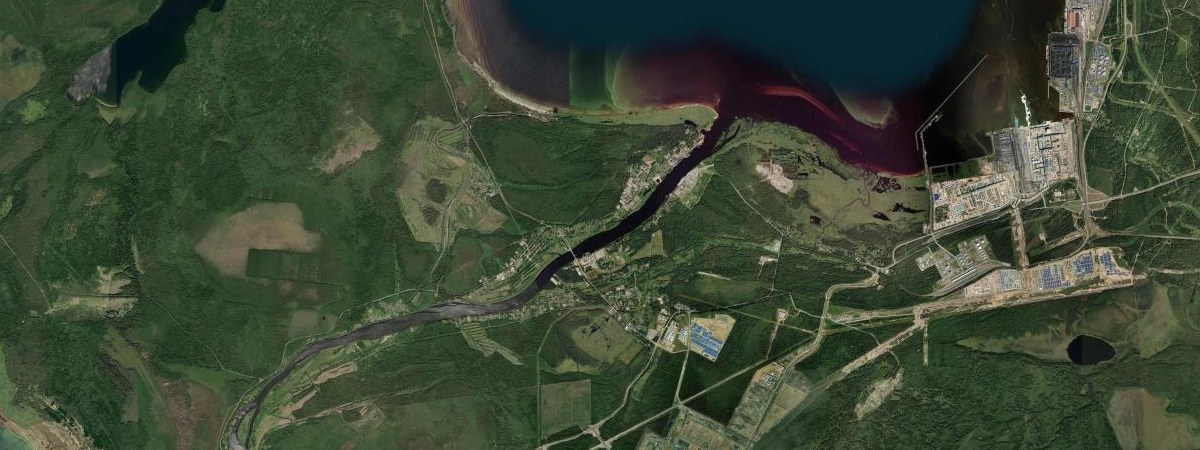
Russia’s Ust-Luga port on the Baltic Sea sustained fresh damage in a Ukrainian drone attack, underscoring the growing risk to a key outlet for Russian crude and refined product exports. Repeated strikes on export infrastructure may tighten loading schedules, disrupt terminal operations and force cargo owners and ship operators to reassess timing around one of Russia’s most important seaborne energy gateways.
For tanker markets, Ust-Luga matters well beyond the immediate damage report. The port is a major node for crude and petroleum flows from northwest Russia, and any prolonged disruption can shift vessel positioning, ballast planning and regional freight patterns in the Baltic. TankerMap data tracks more than 3,201 crude tankers and 34 ports globally, including oil and LNG terminals, highlighting how localized infrastructure hits can ripple through loading programs, port activity and downstream trade routes.