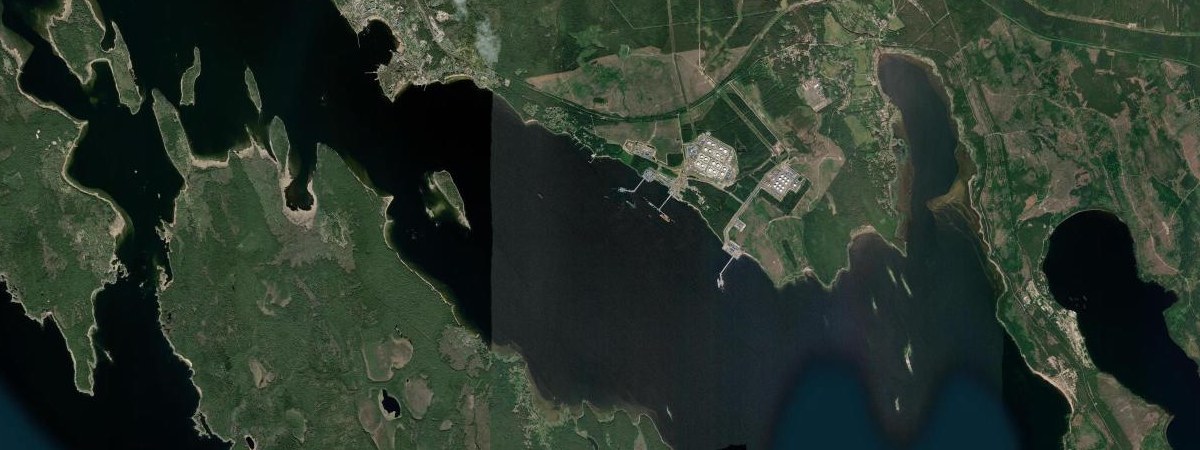
Fresh attacks on Russian energy infrastructure have added new uncertainty to regional oil logistics after authorities reported fuel leaks at Primorsk and a fire at the NORSI refinery in Nizhny Novgorod. Primorsk is a key Baltic outlet for Russian crude and petroleum shipments, meaning even limited disruption there can reverberate through loading schedules, product availability and tanker deployment in the region.
For shipping markets, infrastructure incidents matter as much as headline production figures. TankerMap tracks 4,105 vessels globally, including 3,201 crude tankers and 904 LNG carriers, highlighting how disruption at major export nodes can quickly alter vessel positioning and short-haul freight dynamics. The platform also monitors 155 energy ports, helping place incidents like Primorsk into a broader picture of port activity, cargo timing and possible rerouting pressure across European and global oil flows.
The immediate market impact will depend on the scale and duration of the damage, but the event underscores how refinery and port security risks are becoming a larger variable in seaborne energy trade. Traders and shipowners are likely to watch closely for any sign of delayed cargoes or tighter export availability from the Baltic system.