Sin Bi Cheah, CEO of Malaysian shipping firm Orkim Group, outlined the operational impact of the Iran-Israel conflict on regional transportation networks during remarks at the Asia-Pacific Maritime 2026 conference. The company, which specializes in moving clean petroleum products and liquefied petroleum gas across Southeast Asia and beyond, faces elevated voyage costs, extended transit times, and charter rate volatility as a result of Hormuz Strait disruptions.
Orkim's exposure exemplifies the broader challenge facing regional shipping operators: maintaining profitability while navigating geopolitical uncertainty, fuel-surcharges, and port congestion. Malaysian waters and the regional infrastructure of Southeast Asian shipping hubs remain critical routes for refined product flows, but dependency on Middle East sourcing creates transmission mechanisms for price and supply shocks.
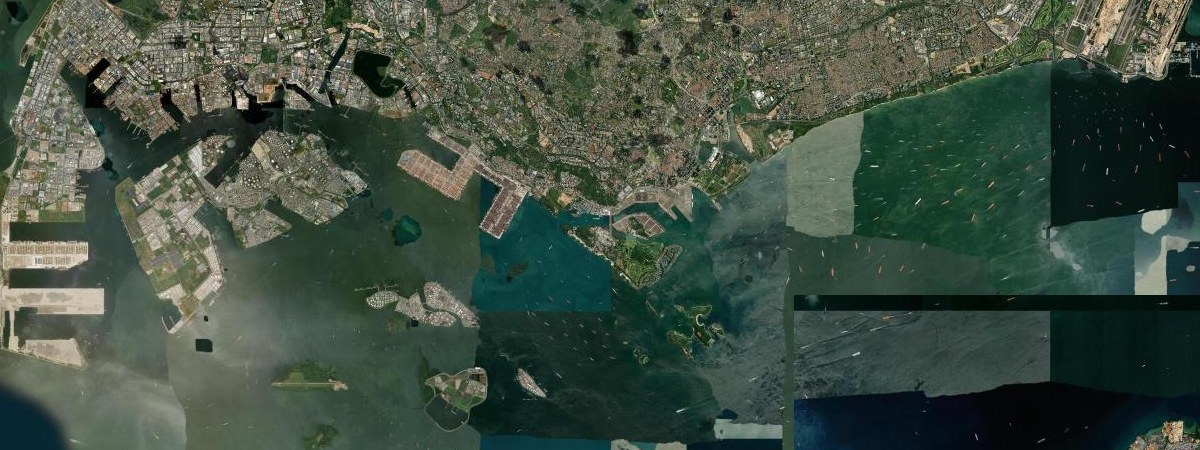
The company's commentary reflects industry sentiment that near-term accommodation will focus on rate adjustments, longer bookings, and diversification toward non-Middle East sourcing. TankerMap tracking shows elevated Aframax and LR2 positioning in Singapore and Port Klang, consistent with increased cargo handling and repositioning activity. Until Strait stability returns, regional shipping margins will likely remain under pressure.