Oil fell sharply below $100 a barrel after Washington and Tehran agreed to a two-week ceasefire that includes coordinated safe passage through the Strait of Hormuz, unwinding part of the extreme war premium that had built up across crude markets. The move marks one of the fastest reversals of the latest rally, though traders are still watching whether the arrangement can hold long enough to normalize tanker traffic and reassure refiners that disrupted Middle East flows can resume.
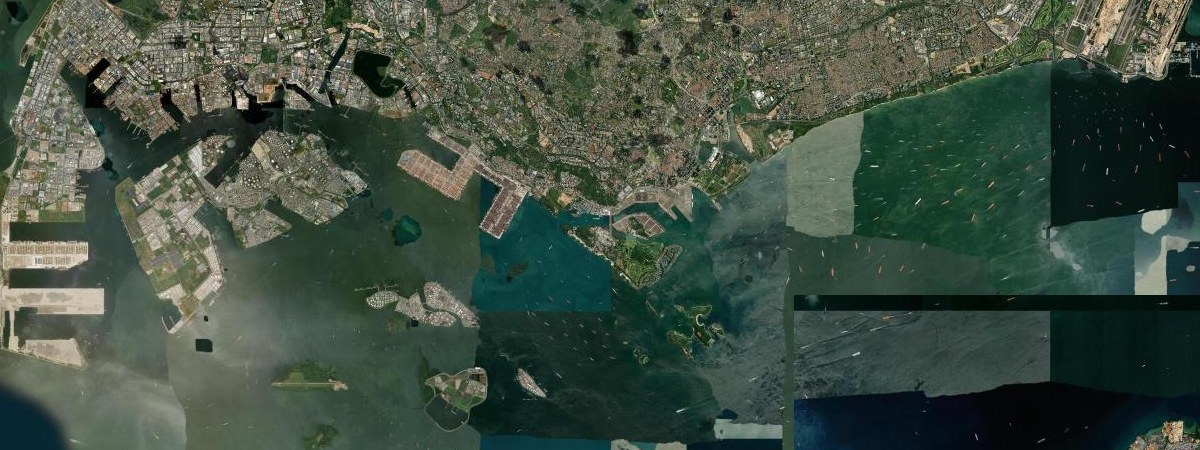
TankerMap data shows why the market reaction remains tied to shipping. The platform tracks 3,201 crude tankers and 155 energy ports worldwide, including 36 oil export ports and 26 oil import ports. Live vessel tracking on Wednesday showed crude carriers such as TORM EVOLVE and ANDRE REBOUCAS anchored near the Singapore area while POLAR ENDEAVOUR was underway in the Pacific, highlighting how quickly freight positioning and route choices can shift when risk around Hormuz changes. Even with crude retreating, the market is likely to keep some geopolitical premium until shipowners regain confidence in regular Gulf transits.