Asian and European LNG importers are increasingly turning to US liquefied natural gas suppliers to compensate for the loss of Qatari supply. Qatar, which operates the world's largest LNG complex, has been effectively shut out of the market following production disruptions from military strikes during the Iran war.
Qatar typically supplies roughly 20% of global LNG exports. The loss of Qatari volumes has created an immediate supply deficit, with buyers competing for increasingly scarce cargoes. US LNG export facilities—operating at near-maximum capacity—are now receiving premium bids from desperation buyers.
US LNG Supply Constraints
US LNG exports cannot fully replace Qatar's lost volumes. US facilities are already operating near nameplate capacity; expansion of existing terminals or construction of new export infrastructure requires years and substantial capital investment.
The current supply shortage is forcing difficult allocation decisions: European buyers willing to pay premium prices are securing cargoes that might otherwise flow to Asia. This creates secondary economic winners (US exporters, shipping companies operating LNG tankers on high-value transatlantic routes) and losers (price-sensitive Asian importers).
LNG Tanker Market Impact
TankerMap data shows 904 LNG carriers globally. With Qatari output offline and global demand still elevated, utilization rates remain at historical peaks. Freight rates on long-distance routes (US Gulf to Asia) remain elevated despite recent oil price declines, indicating persistent supply scarcity.
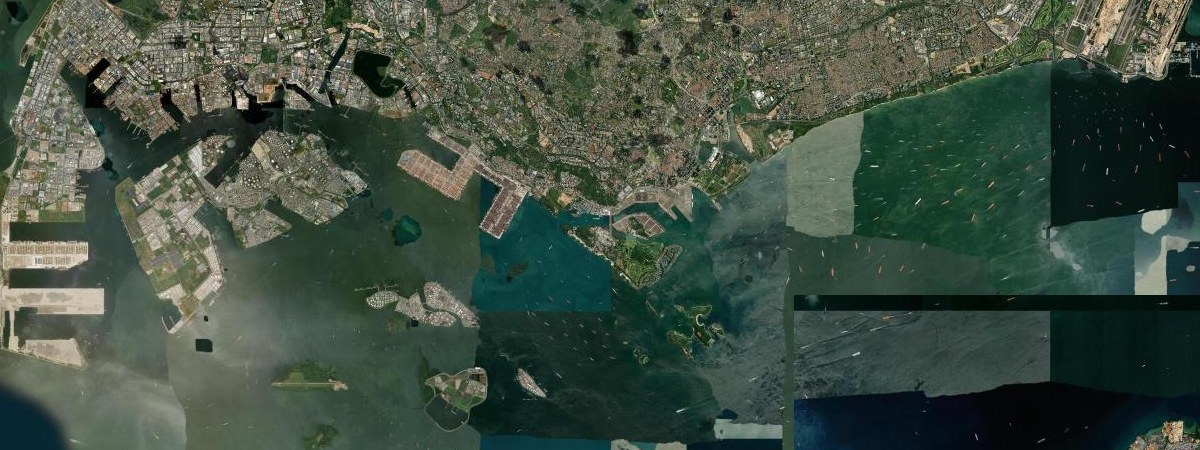
The pivot to US LNG also redistributes shipping demand: US Gulf shipments destined for Europe must compete with transatlantic routes. Singapore, the primary LNG transshipment hub, is experiencing congestion as buyers attempt to store and resell expensive LNG cargoes.
Qatar's supply recovery timeline remains uncertain, but production disruptions will likely persist for weeks to months. US LNG will remain the swing supplier for global markets during this period.