The International Maritime Organization is working on an evacuation corridor for seafarers caught in and around the Strait of Hormuz as the US-Iran war sharply raises risks for commercial shipping. The talks come as thousands of crew members face mounting difficulty moving safely through one of the world’s most critical oil transit chokepoints.
For tanker markets, the issue goes beyond freight rates and voyage delays. A prolonged inability to rotate crews or move ships safely through Hormuz would add operational stress to crude and product trades already exposed to war-risk premiums, rerouting pressure and insurance uncertainty. Any formal humanitarian corridor would be closely watched by shipowners, charterers and marine insurers as a signal of whether limited traffic normalization is still possible.
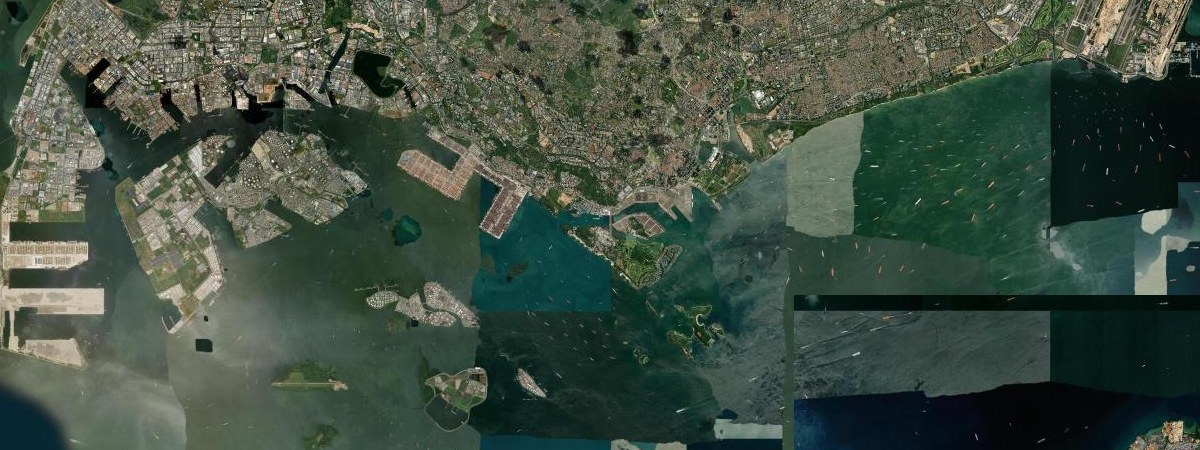
TankerMap tracks 4,105 vessels worldwide, including 3,201 crude tankers and 904 LNG carriers, underscoring how much seaborne energy trade depends on uninterrupted crew safety and passage through strategic waterways. Live AIS data on Saturday showed large crude tankers active across global routes, from the Singapore-anchorage area to the Mediterranean, highlighting the scale of fleet exposure if disruptions around Hormuz deepen.