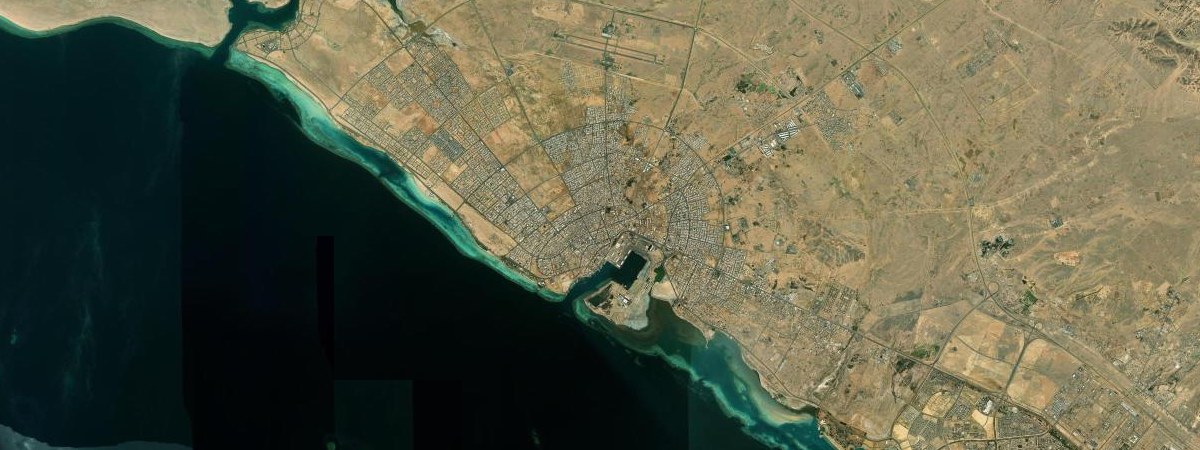
Freight rates charged by shipowners to transport Saudi Arabian crude from the Red Sea port of Yanbu to Asia have declined significantly over recent weeks as additional VLCC and Suezmax tankers arrive at the facility to handle flows diverted from the Strait of Hormuz.
The rate decline reflects a temporary equilibrium: sufficient capacity is now in place along the Yanbu-to-Asia route to absorb current diversion volumes. However, this relief is deceptive—rates remain elevated historically, and the situation is fragile.
Temporary Reprieve in Freight Markets
Yanbu serves as Saudi Arabia's primary alternative outlet for crude not flowing through Hormuz. The port infrastructure, while extensive, has limits. Additional tanker arrivals have allowed shipowners to increase supply relative to immediate demand, moderating the freight rate spikes seen in earlier weeks of the crisis.
TankerMap data shows that the global fleet redeployment toward the Red Sea and Indian Ocean routes has been substantial. Aframax and Suezmax vessels normally employed in other trades have been redirected to these alternatives, temporarily easing the VLCC freight crisis—but at the cost of capacity shortages elsewhere.
The rate decline does not signal normalization. It reflects one month of market adaptation and capacity flux. If Hormuz remains closed beyond mid-April, capacity constraints will resurface as the temporary surge of available tonnage is exhausted.