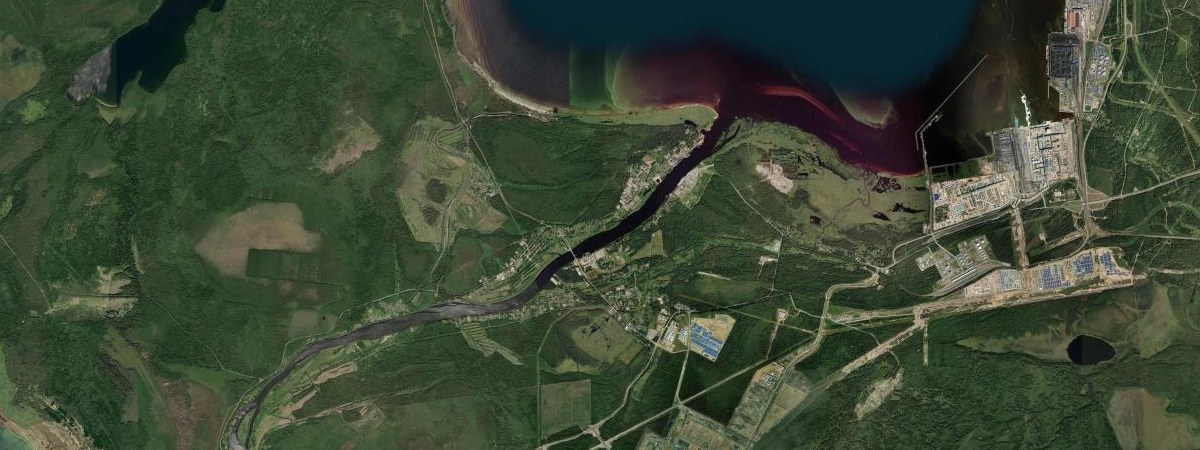
Russia's Ust-Luga oil export hub on the Baltic Sea has sustained fresh damage after another drone strike, adding a new layer of disruption risk for seaborne crude and product flows. The port is one of Russia's key export gateways, so any operational slowdown could tighten loading schedules, force vessel reshuffling and raise uncertainty for traders already dealing with war-related volatility in global oil routes.
For tanker markets, the significance goes beyond local infrastructure damage. A prolonged impact at Ust-Luga could push more barrels into alternative loading patterns, alter voyage distances and add pressure to freight pricing across the Baltic and beyond. TankerMap's wider network tracks 3,201 crude tankers and 904 LNG carriers globally, while its port database covers 34 energy ports. Recent live positions also show large crude tonnage still moving across Atlantic and European routes, underlining how quickly disruption at a major export terminal can ripple through vessel allocation and cargo timing.