Oil prices fell 6% on Wednesday as reports surfaced that the United States submitted a 15-point peace plan to Iran, sparking market optimism about a possible ceasefire to the Middle East conflict. Brent crude dropped to $97.90/bbl, while WTI fell to $86.77/bbl.
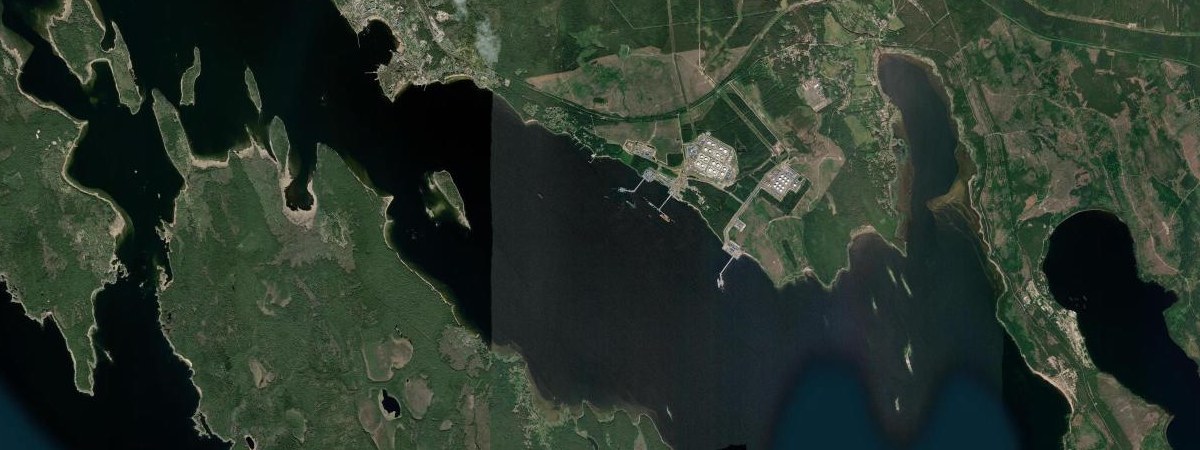
However, peace plan signals collide with a new supply disruption: Russia's two largest Baltic export terminals—Primorsk and Usť-Luга—have suspended crude and product exports following drone attacks, according to multiple sources.
Russian Port Disruption Adds Complexity
Primorsk handles approximately 1 million barrels per day of crude (primarily Urals grade) and 300,000 bpd of diesel. Usť-Luга exports around 700,000 bpd of crude plus heavy fuel oil and vacuum gas oil. Combined, these ports represent roughly 1.7 million bpd of Russian export capacity—critical supply for European and Asian refiners.
The halt is temporary (response to drone threat), but it demonstrates how supply disruptions are cascading beyond the Middle East. Ukrainian drone operations, sanctions evasion, and alternative routing strategies are creating secondary bottlenecks across global shipping corridors.
Peace Plan Skepticism Tempers Optimism
Analysts remain cautious. Larry Fink (BlackRock) warned that if Iran remains a Hormuz threat, the world faces sustained $100-$150/bbl oil prices and potential global recession. If ceasefire hopes fade, oil will quickly reverse gains.
TankerMap monitoring shows Yanbu (Saudi Red Sea port) crude exports surged to nearly 4 million bpd last week—well above pre-war levels—as rerouting intensifies. Russian crude is also finding Asian buyers, but sustained supply diversification (away from Gulf) suggests markets expect Hormuz to remain partially constrained even in peace scenarios.