After a month of conflict, market attention is increasingly focused on Iran’s ability to exert pressure over shipping through the Strait of Hormuz, the world’s most critical seaborne oil chokepoint. Even without a full closure, a tighter grip on vessel movements can slow transits, raise insurance and security costs, and force cargo owners to rethink loading schedules and exposure across the Gulf.
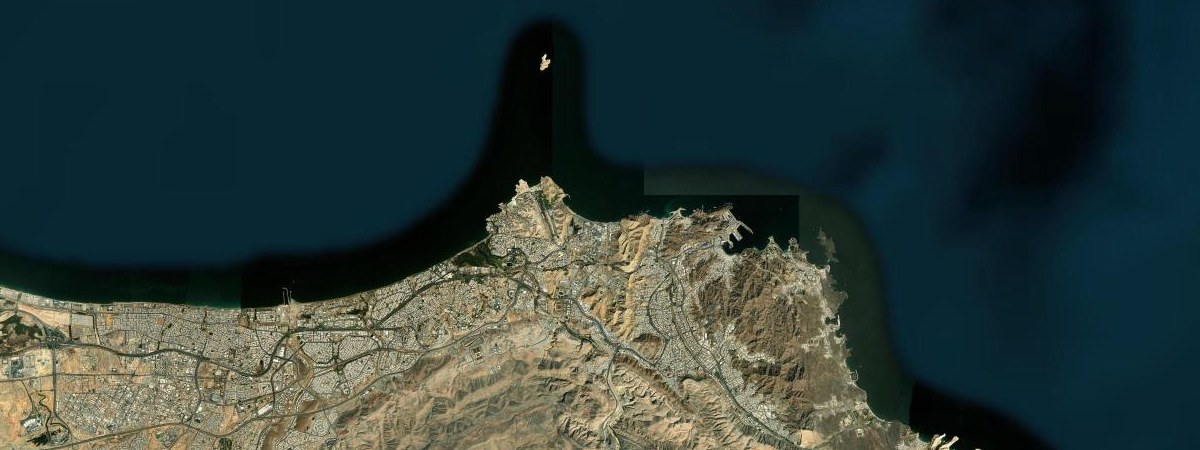
For energy shipping, the significance is immediate: prolonged uncertainty in Hormuz affects crude, condensate and LNG flows tied to some of the world’s biggest export terminals. TankerMap live data currently tracks 3,846 tankers worldwide, with active vessel movements continuing at Gulf oil hubs such as Ras Tanura, Jebel Dhanna, Yanbu and Mina al-Fahal. The persistence of traffic shows that cargoes are still moving, but also underlines how any incremental tightening of navigation risk in Hormuz can ripple quickly through freight markets, delivery timing and physical oil pricing.