Renewed political pressure around the Strait of Hormuz is refocusing the oil market on a familiar vulnerability: Asia’s heavy dependence on Middle Eastern crude and the narrow shipping lane that carries much of it. Comments from US President Donald Trump urging countries reliant on Hormuz flows to do more for regional security were followed by warnings from market analysts that refiners in Asia remain the most exposed to any disruption in the corridor.
For tanker markets, the issue is less about headline politics than physical flows. Any sustained threat to Hormuz can quickly reshape voyage planning, insurance costs and freight rates for VLCCs and other crude carriers lifting from the Gulf. Delays or rerouting would also ripple into downstream refinery schedules across Asia, where replacement barrels are harder to source at scale.
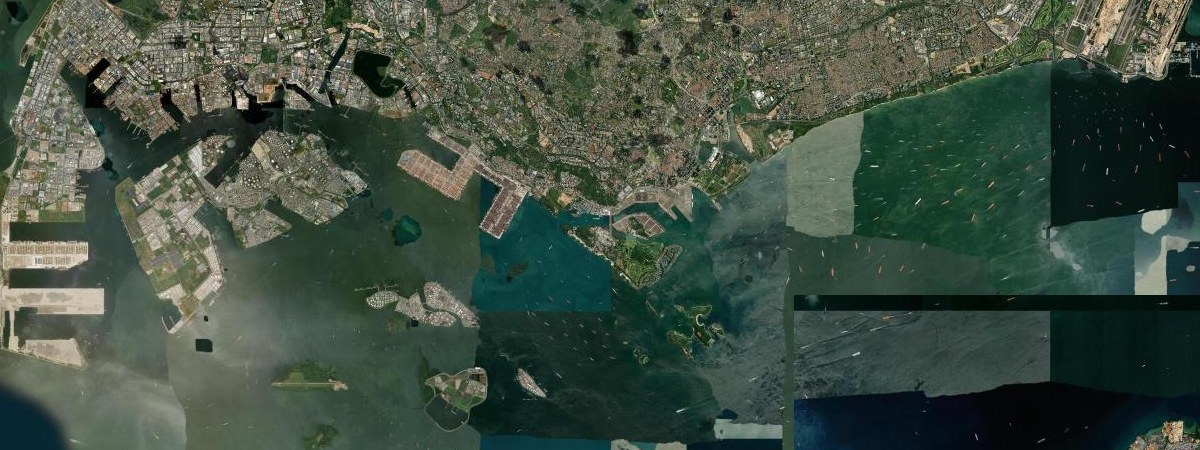
TankerMap data underscores how central these trade lanes remain. The platform tracks 3,201 crude tankers and 904 LNG vessels worldwide, while live AIS coverage shows large crude carriers operating across Asian chokepoints including the Singapore Strait. As pressure builds around Hormuz, tanker owners, charterers and refiners will be watching vessel positioning, transit times and port activity for early signs of tighter regional supply.