Gulf states are taking a tougher stance toward Iran as the economic toll of the conflict deepens and disruption around the Strait of Hormuz continues to weigh on regional energy flows. The harder line reflects not only political pressure but also the mounting cost of constrained crude movement, attacks on energy infrastructure and prolonged uncertainty across one of the world’s most important maritime corridors.
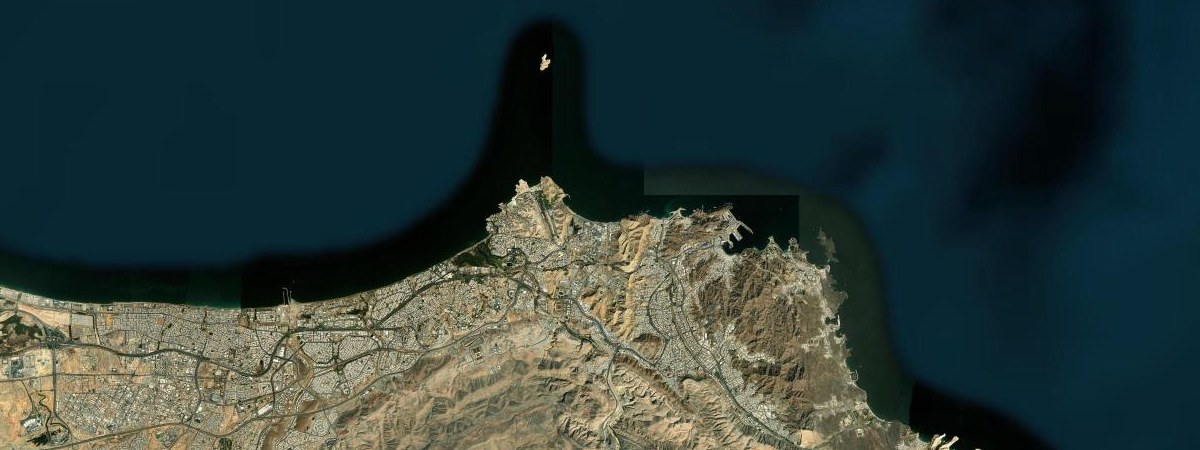
For tanker markets, the shift matters because a more entrenched regional position reduces confidence in any quick normalization of Gulf shipping. TankerMap live data currently tracks 3,846 tankers worldwide, while key export hubs including Ras Tanura, Jebel Dhanna, Mina al-Fahal and Yanbu continue to show active vessel movements. That traffic confirms cargoes are still moving, but the persistence of operational risk around Hormuz means freight pricing, voyage planning and energy supply timing remain vulnerable to further escalation.