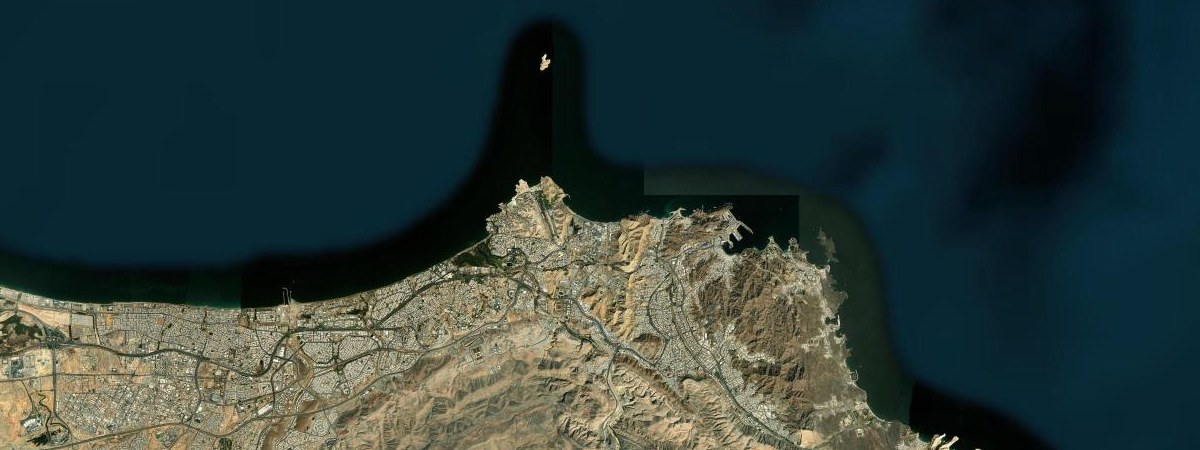
Thousands of seafarers are facing growing hardship as conflict around Iran and the near-closure of the Strait of Hormuz disrupt vessel traffic and delay departures across the Gulf. Ships caught inside the basin have been forced to wait for extended periods, exposing crews to mounting stress, uncertain routing and limited access to stronger legal and security protections while regional naval risks remain elevated.
For tanker markets, the human impact now sits alongside the freight and supply shock. Prolonged delays in Hormuz can quickly ripple through crude and LNG loading schedules, tightening tonnage availability and pushing charterers to reassess voyage risk across the Gulf. TankerMap live data currently tracks 3,846 tankers worldwide, while key export hubs tied to Gulf flows — including Jebel Dhanna, Mina al-Fahal and Ras Tanura — continue to show active vessel movements. That underlines how any prolonged constraint in the strait can affect both cargo timing and crew welfare across one of the world’s most important maritime energy corridors.