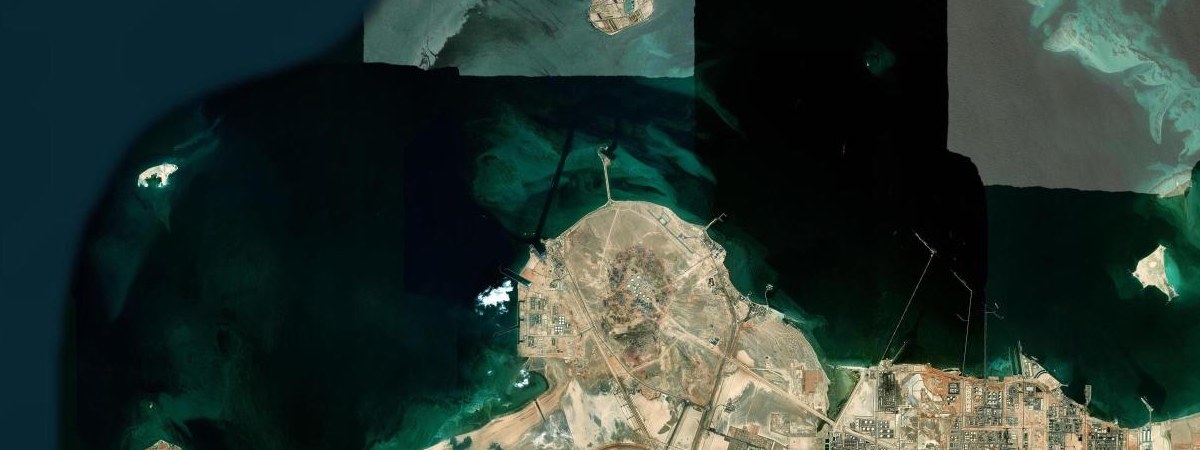
The search for a long-term response to the Hormuz crisis is increasingly turning toward overland energy routes that could move crude westward to the Red Sea and Mediterranean, reducing dependence on the Gulf’s most vulnerable chokepoint. The idea reflects a broader industry concern that repeated disruption in Hormuz may push governments and producers to prioritize export systems that bypass the strait altogether.
For tanker markets, any shift toward westbound pipeline alternatives would not replace seaborne trade overnight, but it could gradually reshape loading geography, voyage lengths and demand patterns across the Middle East and Mediterranean. TankerMap live data currently tracks 3,845 tankers worldwide, while Gulf export hubs such as Ras Tanura, Jebel Dhanna and Yanbu continue to show active traffic. Yanbu in particular remains central to the debate, with 6 vessels in port and fresh arrivals and departures over the past 24 hours, underscoring how Red Sea-linked outlets could gain strategic importance if exporters seek more durable workarounds to Hormuz risk.