Russia is emerging as one of the unexpected beneficiaries of the Middle East conflict, with surging oil prices set to deliver a growing tax windfall to Moscow. As Persian Gulf supplies tighten due to the Strait of Hormuz disruption, buyers unable to source Gulf crude are increasingly turning to Russian Urals — driving up both volumes and the prices Moscow can command.
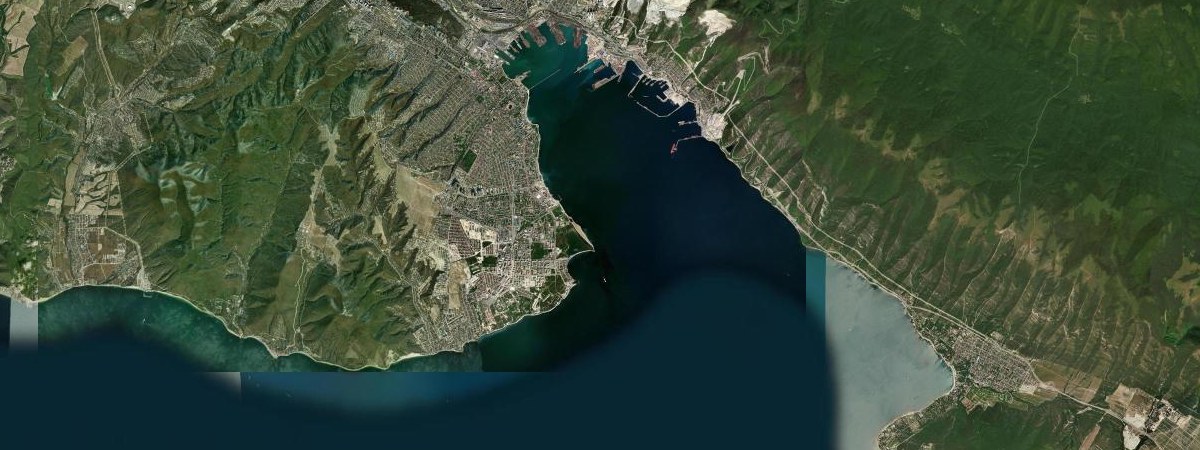
The revenue boost comes despite ongoing Ukrainian drone strikes on Russian Baltic and Black Sea export terminals, which have created some disruption to loadings. Moscow's oil export infrastructure has proven resilient, with alternative loading points and shadow fleet operations continuing to move crude eastward to India and China.
TankerMap data shows sustained tanker movements on Russia-to-Asia corridors. Vessels associated with Russia's shadow fleet — operating outside Western insurance and sanctions frameworks — continue to load at terminals including Primorsk and Novorossiysk and transit toward Indian and Chinese refineries. For the Kremlin, higher oil prices represent a fiscal buffer at a moment of intense military expenditure, underscoring the complex and often counterintuitive dynamics of the current global energy crisis.