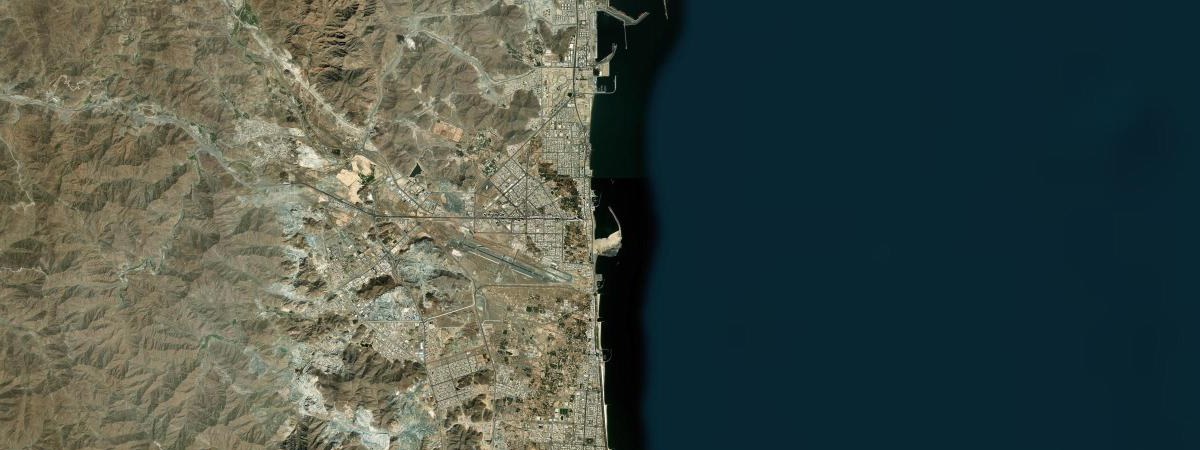
Commercial vessel traffic through the Strait of Hormuz remained subdued over the past day as uncertainty around a possible US-Iran peace deal kept operators cautious, according to Bloomberg. That makes this more than a political headline for tanker owners and charterers: even without a fresh closure, hesitation alone can suppress normal transit patterns through the world’s most important oil chokepoint.
For TankerMap readers, the key signal is operational rather than rhetorical. Thin traffic through Hormuz can slow crude and LNG scheduling, distort ballast decisions and keep freight risk premiums elevated while owners wait for clearer security and compliance conditions. Recent TankerMap coverage has shown that transit conditions can improve on paper before tanker and gas carriers actually return at scale.
TankerMap data context: changes in Hormuz transit density are a core indicator for Gulf crude, product and LNG vessel flows, with knock-on effects for Fujairah routing, ballast positioning and global tonnage availability.