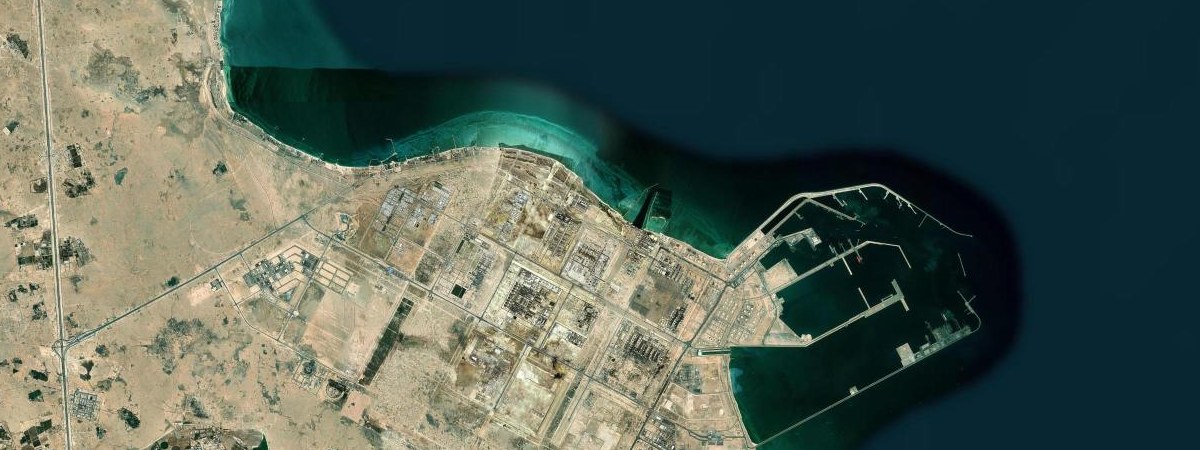
Iranian military strikes have targeted Qatar's Ras Laffan LNG complex, the world's largest liquefied natural gas facility, marking a significant escalation in Middle East energy infrastructure attacks. The strike poses a shock to Doha, which has attempted to position itself as a regional conflict mediator while simultaneously managing one of the globe's most critical energy assets.
Ras Laffan's seven liquefaction trains have long underpinned global LNG supply. Any sustained damage disrupts shipping schedules for LNG carriers worldwide and raises spot prices for buyers in Asia, Europe, and North America. Regional LNG export routes through the Strait of Hormuz face compounded risk, as tensions elevate both production and transit vulnerabilities.
Qatar's diplomatic role as mediator is now complicated by direct military targeting of its infrastructure. The incident reinforces that no energy facility is insulated from geopolitical conflict, forcing operators and shipping companies to reassess supply chain exposure and charter strategies.