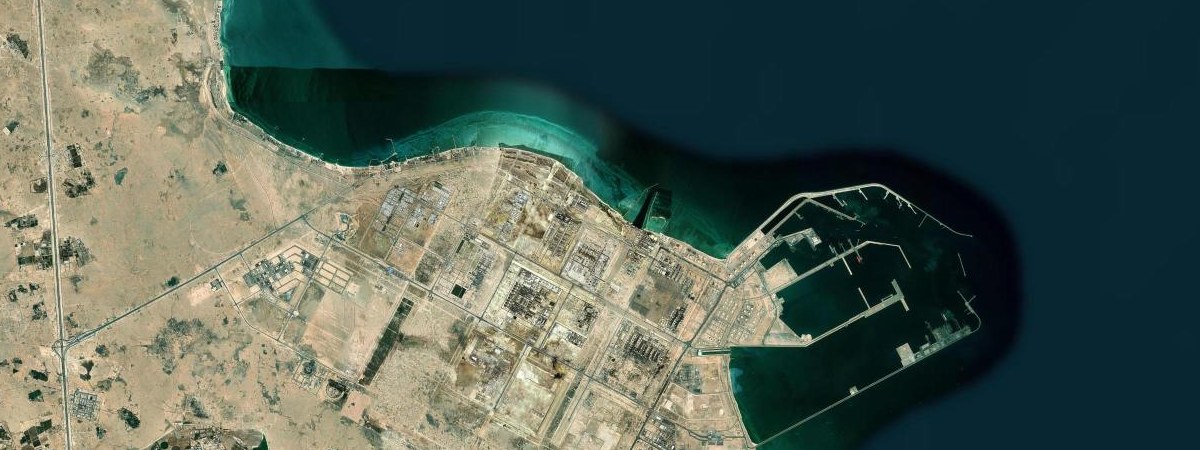
The Iranian strike on Qatar's Ras Laffan liquefied natural gas complex is projected to cost QatarEnergy approximately $20 billion in annual lost revenue, underscoring the severe economic consequences of targeting critical energy infrastructure.
The magnitude of the financial impact reflects Ras Laffan's position as the world's largest LNG export facility, responsible for a substantial share of global liquefied gas supply. A sustained 17% reduction in Qatar's LNG output over 3-5 years translates to permanent loss of market share and export revenue that will take years to recover, even after facility repairs are completed.
Beyond Qatar's national losses, the $20 billion annual impact illustrates broader supply chain disruption costs affecting international buyers, shipping companies, and downstream energy consumers. For global LNG markets, the strike effectively redistributes demand toward alternative suppliers—particularly Australia and the U.S.—while creating sustained pricing pressure. For tanker operators, the surge in LNG shipping volumes to replace lost Qatari capacity represents extended ton-mile opportunities, though spot rates may moderate once alternative supply sources ramp up.