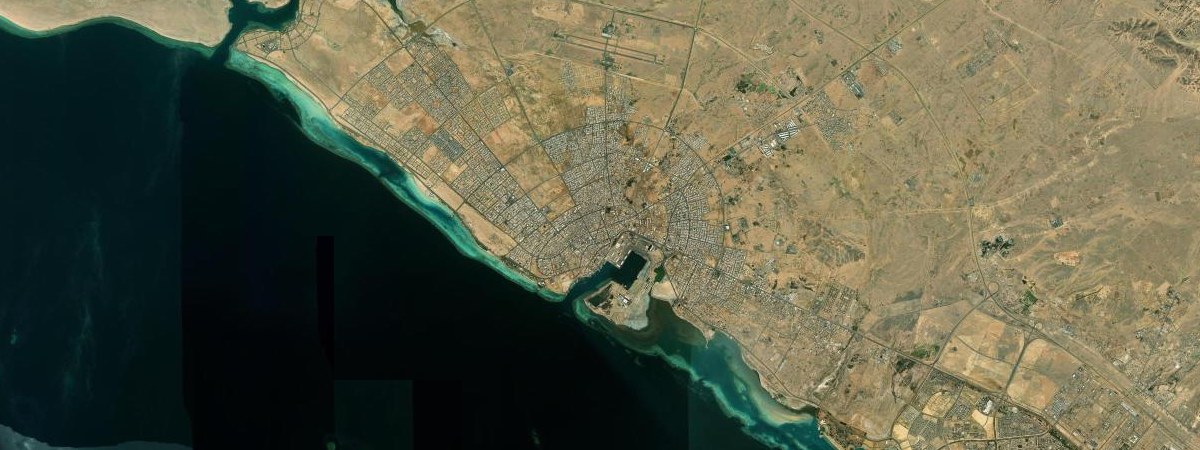
Gulf oil exporters are examining new overland routes and pipeline options that could reduce long-term dependence on the Strait of Hormuz, according to a report on regional infrastructure planning. One concept under discussion would connect the Arabian Peninsula to the Mediterranean through expanded logistics links, while Saudi Arabia’s existing East-West pipeline to Yanbu is again being cited as a strategic model for bypassing the Gulf chokepoint.
The shift reflects how energy security concerns are now feeding directly into export infrastructure decisions. For crude shippers, Hormuz remains the shortest and most efficient outlet for a large share of Gulf barrels, but repeated geopolitical shocks have highlighted the value of optionality. Additional westbound pipeline capacity could redirect some cargoes toward the Red Sea or Mediterranean, altering tanker demand patterns across both basins rather than eliminating seaborne trade altogether.
TankerMap’s network data shows the wider export system behind that calculation: the platform covers 34 ports, including oil and LNG terminals, and tracks thousands of active tankers in live position feeds. Even if alternative pipelines expand, ports, loading windows and tanker availability will still determine how quickly Gulf producers can reroute barrels when chokepoint risk rises.